Understanding Roof Valleys and Common Drainage Problems
@donovankpxk388
November 3, 2026 · 3 min read
Roof valleys carry a large share of the rainwater flowing off your roof. When they become blocked, damaged or poorly connected to gutters, water can back up beneath the roofing and enter your home. For Logan homeowners, understanding how valleys work makes it easier to recognise drainage problems before they lead to costly repairs.
What Is a Roof Valley?
A roof valley is the internal angle where two sloping roof sections meet. It channels water from both surfaces towards the gutter, so it handles more runoff than many other parts of the roof.
The valley’s construction depends on the roofing system. Tiled roofs commonly have exposed metal valley trays, while some shingle roofs use covered valley details. Metal roofs require valley flashings suited to the roof profile and pitch. Correct installation must allow water to flow freely without entering beneath adjoining roofing.
Common Roof Valley Drainage Problems
Leaves, Twigs and Built-Up Debris
Debris can collect where roof slopes converge, particularly beneath nearby trees. A blockage slows runoff and can divert water sideways beneath tiles or sheets. Damp debris also holds moisture against metal components, potentially https://privatebin.net/?ba90dc7afe7a1a21#5CvC1cDJj7AsdZiqmqhA7jmYJ6juxNs6kFqLjrLw7KYd accelerating deterioration.
Corroded or Damaged Valley Flashing
Metal valley trays can develop corrosion, holes or damaged joints. Movement, incompatible materials and poorly placed fixings can also create leak paths. Applying sealant over visible damage may not address the underlying problem; a roofer should assess whether a local repair or replacement is appropriate.

Restricted Flow at the Gutter
A clear valley can still cause trouble if the gutter or downpipe receiving its runoff is blocked or undersized. Water may overflow at the valley outlet or back up towards the roof edge. Persistent overflow during heavy rain warrants an assessment of the entire drainage path, not just the valley.
Unsuitable Roof Detailing
Roofing installed too close to the valley centre, incorrect flashing overlaps or inappropriate fixings can restrict drainage or allow leakage. These details need to suit the roof material, pitch and expected water flow. Simply widening an opening or adding sealant without checking the system can create further problems.
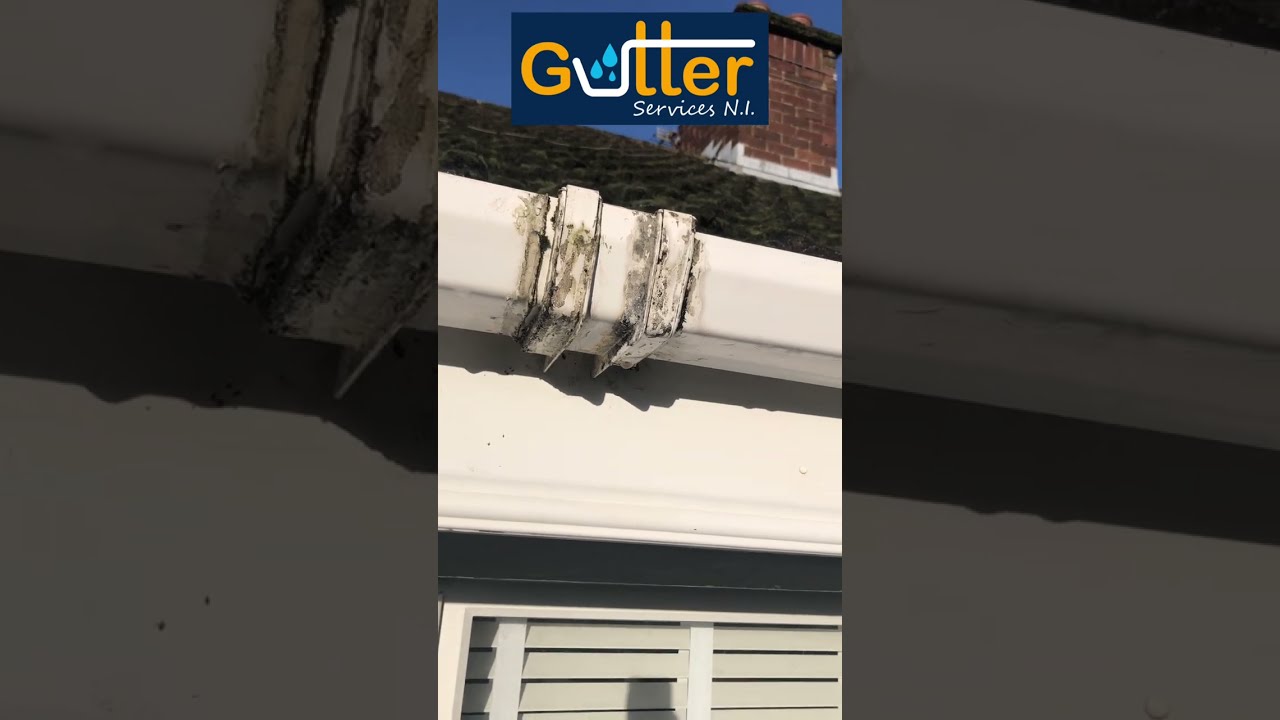
Warning Signs to Watch For
- Water overflowing near the point where a valley meets the gutter.
- Visible leaves, sediment, rust or displaced roofing around the valley.
- Ceiling stains or dampness beneath intersecting roof sections.
- Leaks that appear mainly during prolonged or wind-driven rain.
- Recurring problems despite gutter cleaning or patch repairs.
A ceiling stain does not necessarily identify the entry point. Water can travel along roof framing before becoming visible indoors, so diagnosis should include the surrounding roof and flashings.
Practical Maintenance for Logan Homes
Check visible roof valleys from ground level after strong winds and arrange debris removal when needed. Keep gutters and downpipes clear, and have overhanging branches assessed for safe trimming. Homes beneath trees may need more frequent maintenance than properties with little surrounding vegetation.
Do not climb onto a wet roof or lift tiles to investigate a leak. Valley edges, fragile roofing and concealed damage create fall and injury risks. Arrange a suitably qualified roofing professional for close inspections and repairs.
When to Arrange a Roof Valley Inspection
Book an inspection if you notice recurring overflow, corrosion or internal water damage. A local Logan roofer should check the valley, adjoining roofing, gutter outlet and downstream drainage together. Any replacement work should follow applicable building requirements and manufacturer installation instructions. Finding the cause, rather than repeatedly patching the symptom, offers the best chance of a lasting repair.
Logan Roofing Experts
Unit 2/169 Queens Rd, Kingston QLD 4114
(07) 3179 6988